a training course for integrative oncology practitioners
Embed your understanding of the Fluxable model with a comprehensive practitioner training course in June 2026.
Designed to enrich and expand your knowledge of the metabolic approach to cancer, while facilitating your ability to build practical and personalised protocols for your patients. The course provides a safe and effective foundation to underpin treatment and recovery, and works alongside a range of conventional and complementary therapies. It also provides you with a robust framework to evaluate interventions and improve clinical decision making.
This is an advanced course designed for experienced practitioners from all backgrounds. A working knowledge of biochemistry, physiology and nutrition science will be assumed.
The twelve-hour course will run across four 3-hour webinars in June/July 2026. From 10am to 1pm on 25th & 26th June and 2nd & 3rd July. Full price tickets will be £375 with a £100 discount for Early Bird students up to 31st May 2026 using Promo Code: FrontRowSeats.
“The best lecture I have heard in a year hands down – if you think you understand metabolism,and haven’t heard @dawnewaldron explain proton motive force …. This is a game changer!”
– Tanya Borowski
ABOUT THE COURSE
It is widely acknowledged that there is a metabolic aspect to cancer that provides opportunities for nutrition and lifestyle medicine to influence cancer outcomes. The first quarter of the twenty-first century has seen an exciting leap in our ability to observe and understand cancer behaviour that has led to a fast growing body of evidence showing that cancer cell behaviour is capable of manipulation in many different ways. Moreover, the idea that cancer is a metabolic dysfunction caused by random mutation is gradually being replaced by a new understanding that tumour cells are employing highly-conserved metabolic pathways more usually utilised in stem cells and other fast growing cells. The discovery that this is a metabolic adaptation rather than an aberration holds out the hope not only for recovery but also for rehabilitation: cancer cells may have have lost their map but they haven’t lost their infrastructure.
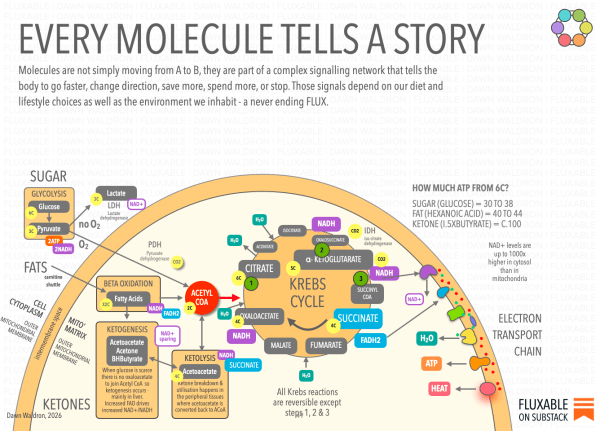
While integrative approaches to cancer have been shown to offer improved outcomes and reduced side effects, the results are proving to be as random as conventional care. The rise of the metabolic approach has led to intense interest in, for example, the ketogenic diet, intermittent fasting and repurposed drugs with a focus on restricting the fuel supply to tumour cells with some encouraging results. Other remedies like melatonin and curcumin, exercise and saunas provide additional support and have collected some evidence around them, but we are not always clear how they work. Nevertheless there are hundreds of well documented anecdotal cases of radical or spontaneous remission that suggest healing is possible. This course coordinates the latest evidence for the metabolic approach, moving the focus from restricting fuel to restoring flux, and providing an understanding of cancer metabolism that moves beyond the well-known Warburg effect.
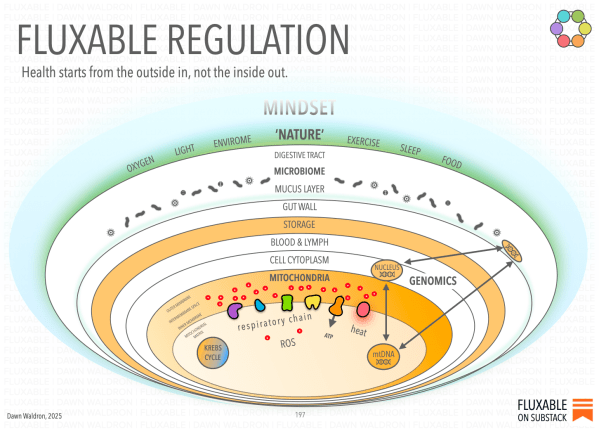
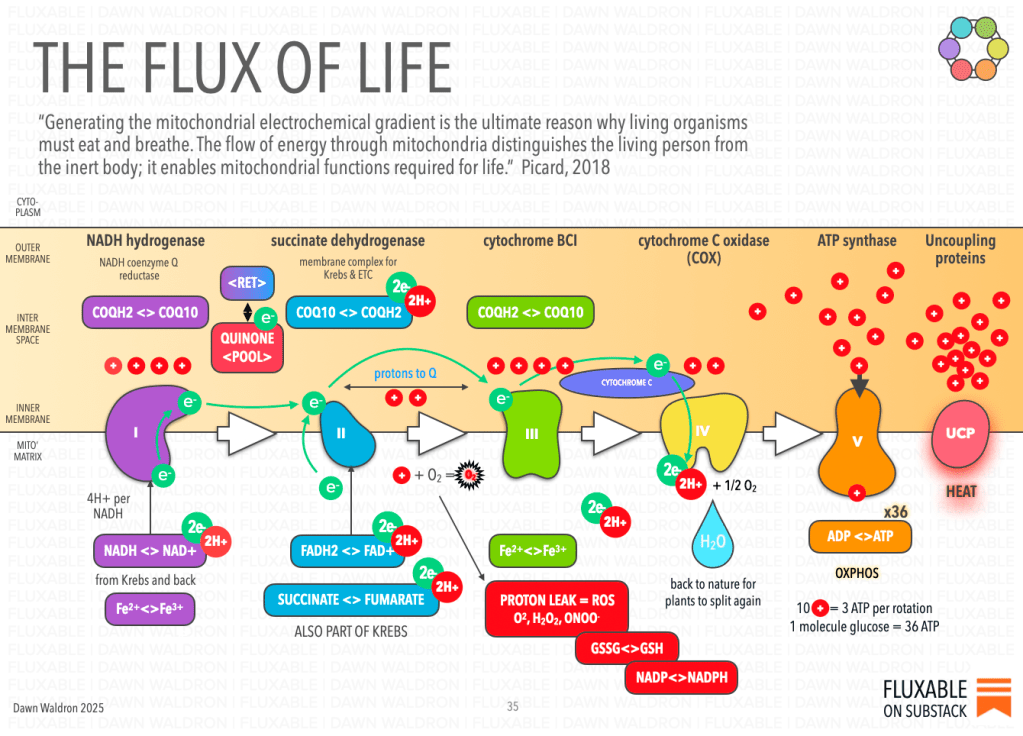
The Fluxable Framework has at its core a detailed understanding of energy production and biosynthesis within the mitochondria, and the implications for the whole body. Focussing primarily on the dynamics of the electron transport chain in maintaining mitochondrial function and cellular differentiation, the course will highlight the importance of flux for all body systems together with the diet and lifestyle choices that can support optimal metabolic function.
In Session One we will start with an exploration of the key cancer theories, revising the Hallmarks of Cancer, reframing them through a metabolic lens, linking them to the accepted genetic pathways of cancer and placing them within a wider biological framework that focusses on the role of the mitochondria. We will go on to examine the regulatory role of the mitochondria in energy production, biosynthesis and cellular differentiation together with the importance of metabolic switching.
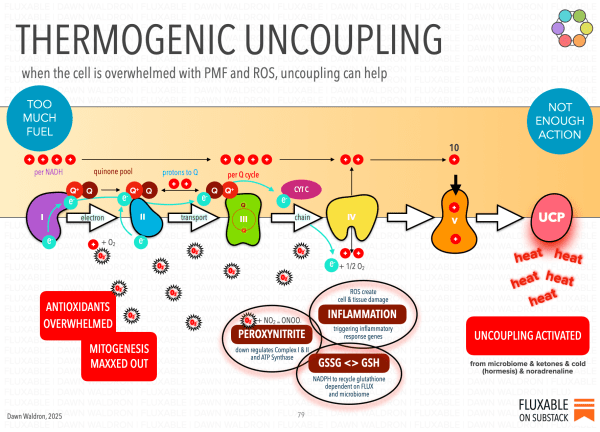
This leads naturally into a close study of the dynamics of the electron transport chain and the delicately balanced biochemistry of ATP production and antioxidant and an appreciation of the various mitochondrial protection mechanisms that exist to maintain the status of the cell. With this foundation in place we can revisit the Warburg effect with an improved understanding of the mechanisms involved in oncometabolite generation and de-differentation. We’ll wrap up the first day by looking at the wider implications of Warburg’s discovery for cellular regulation.
In Sessions Two and Three will focus on the optimal conditions for mitochondrial flux in mature, differentiated cells with a specific focus on
- managing fuel supply into the system from a nutrient sensing and energy management perspective, to understand the factors that influence fuel storage and delivery to the mitochondria together with the various ways we can support efficient energy expenditure through diet and lifestyle.
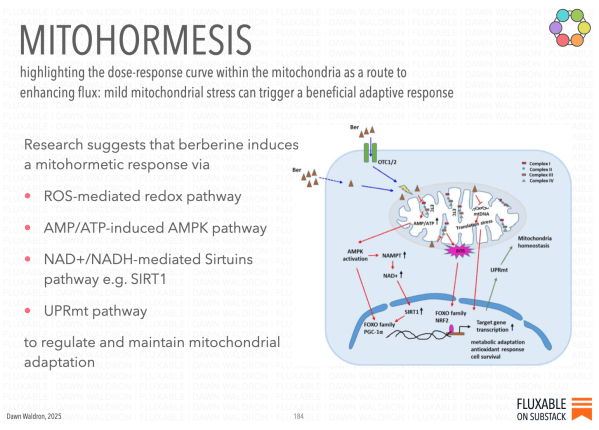
- supporting redox balance within the mitochondria in order to manage flux and ATP production focussing on mitochondrial antioxidant pathways and balanced detoxification.
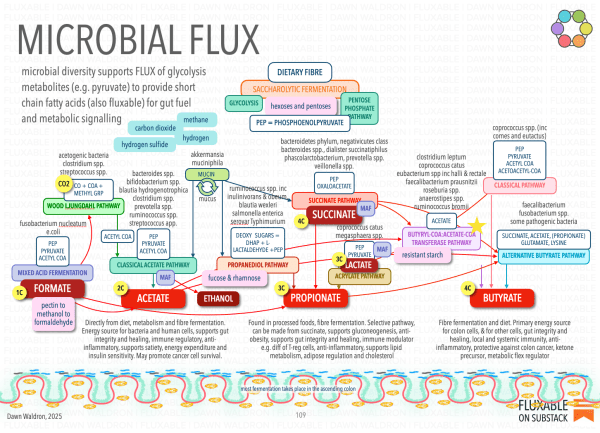
- cultivating microbial cooperation with a focus on creating a healthy gut environment for optimal flux of microbial metabolites in the gut and peripheral tissues for optimal mitochondrial regulation.
- understanding cancer growth factors from a mitochondrial perspective including the role of glucose, amino acids, growth factors and hormones on the tumour microenvironment and a mechanistic consideration of cell starving strategies.
- considering the epigenetic pathways involved in cancer onset and development, asking how we can influence gene expression and regulation with diet and lifestyle and looking at the role of methylation, acetylation and flux in gene expression
In Session Four we’ll start to pull it all together, spending some time considering the practical aspects of building personalised client protocols bearing in mind the specialised needs of the cancer patient, especially in the context of supplement recommendations.
A core aim of the programme is to equip students to work safely with patients throughout cancer treatment as well as for prevention and recovery. The course will provide students with a clear understanding of the opportunities and risks associated with supporting cancer patients and highlight the scope and boundaries of nutrition intervention across the cancer journey and at different stages of treatment. In this respect, the Fluxable framework is particularly valuable in supporting an upstream and mechanistic understanding of nutrient requirements and takes a deliberately food first approach to supplementation in order to provide practitioners with a wider range of strategies to avoid problems with integrative care.
A recurring challenge for both patients and practitioners is the mindset that tends to descend on diagnosis, based on previous experience of loved ones going through cancer and the frequently black and white, predictive prognosis provided. We will take a little time to explore how coaching can lift limiting beliefs and foster a more positive future-focussed outlook in patients and practitioners, potentially allowing a more holistic engagement and investment in treatment and recovery. We will consider the challenges of the consulting process for supporting cancer patients, confronting the issues of overwhelm for both patient and practitioner and highlighting coaching techniques that may lead to better goals and outcomes.
We will also consider the choices faced by cancer patients when considering whether or not to accept treatment, look at the scope for nutritional therapists to support informed decision making and build bridges with the patient’s medical team. This includes a thorough consideration of the range of options open to clients looking to design an integrative programme, together with a helpful framework for opening up discussion.
The course is expressly designed to build on your existing practitioner knowledge and point you in the direction of further CPD opportunities. For example we will look at the way the microbiome influences mitochondrial function and contributes to mitochondrial flux, singling out specific bacterial species and strains, but it assumes a pre-existing professional level of knowledge of nutrition for gut health. While it is full of practical diet, nutrient and lifestyle information it will not provide you with detailed protocols or meal plans.
Cancer patients will always need personalised protocols and it is assumed that you will be comfortable with that idea. For that reason the course is better suited to practitioners who have been working for at least three years. The course will show you how to apply your knowledge in ways that are safe and effective for cancer patients drawing clear distinctions between what is safe to recommend during treatment and what can only be considered in between or beyond treatment windows.
Created and delivered by award-winning cancer nutritionist, Dawn Waldron, the course will distill thirty years of personal and professional experience into a practical and accessible programme.
The twelve-hour course will run across four 3-hour webinars in June/July 2026. From 10am to 1pm on 25th & 26th June and 2nd & 3rd July. Full price tickets will be £375 with a £100 discount for Early Bird students up to 31st May 2026 using Promo Code: FrontRowSeats.
LEARNING OUTCOMES
By the end of the course you will have gained:
- A comprehensive understanding of cancer from a metabolic perspective with a detailed appreciation of the role of mitochondrial dynamics in cancer pathogenesis and development.
- A detailed knowledge of the dynamics of energy production and biosynthesis for cancer, looking beyond the Warburg effect, to understand the regulatory role of antioxidants, growth factors, microbial metabolites and gene expression in the cancer process.
- A new perspective and analytic framework for case studies with a more mechanistic understanding of the opportunities and threats for safe and effective diet, lifestyle and supplement interventions at all stages of the cancer experience, together with a deeper appreciation of salient tests and measures.
- An improved ability to locate and apply research findings to patient protocols based on a clearer mechanistic understanding of role of diet and lifestyle in cancer cell metabolism
- Improved skills for managing consultation dynamics and supporting informed decision making for cancer patients at all stages of the cancer journey.
- Increased confidence and clarity in sharing your recommendations with the cancer patient and their oncology team.
COURSE OUTLINE
- SESSION 1 – CANCER AND FLUX – 3 HOURS
- 1.1. A METABOLIC LENS
- 1.1.1. The Hallmarks of Cancer – of some cells, some of the time
- 1.1.2. The Hallmarks from a Metabolic Perspective
- 1.1.3. Cancer Pathways from a Genetic and Metabolic Perspective
- 1.1.4. Ball’s New Biology
- 1.2. A MITOCHONDRIAL FOCUS
- 1.2.1. Mitochondrial Regulation
- 1.2.2. Energy Production and Biosynthesis
- 1.2.3. Cell Differentiation & Metabolic Switching
- 1.2.4. The Electron Transport Chain
- 1.3. MAINTAINING FLUX
- 1.3.1. Protons & Electrons
- 1.3.2. Protective Mechanisms
- 1.3.3. Biochemical Balance – Le Chatelier’s Principle
- 1.4. REPROGRAMMED METABOLISM
- 1.4.1. The Warburg Effect
- 1.4.2. Oncometabolites
- 1.4.3. Metabolo-Epigenetics
- 1.4.4. A Regulatory Framework
- 1.5. Q&A
- SESSION 2 – OPTIMISING FLUX – 3 HOURS
- 2.1. FUEL IN & ENERGY OUT
- 2.1.1.Nutrient Sensing – AMPK/mTOR
- 2.1.2. Fuel Supply
- 2.1.3. Fuel Storage
- 2.1.4. Energy Expenditure
- 2.1.5. Intermittent Living
- 2.2.SUPPORTING REDOX
- 2.2.1. Antioxidants
- 2.2.2. Inflammation
- 2.2.3. Detoxification
- 2.3.MICROBIAL COOPERATION
- 2.3.1. The Extended Genome
- 2.3.2. The Cooperative Microbiome
- 2.3.3. Gut Flux
- 2.4. Q&A
- SESSION 3 – REGULATING FLUX – 3 HOURS
- 3.1. TAMING GROWTH
- 3.1.1. Growth Factors
- 3.1.2. Hormones
- 3.1.3. DNA Damage
- 3.2.NUTRIEPIGENETICS
- 3.2.1. Acetylation
- 3.2.2. Methylation
- 3.2.3. Keto Regulation
- 3.2.4. Epigenetic Reprogramming
- 3.3. Q&A
- SESSION 4 – FLUXABLE IN PRACTICE – 3 HOURS
- 4.1. A FLUXABLE FOUNDATION
- 4.1.1.Macros and Meal Planning
- 4.1.2.Food Choices
- 4.1.3.Supplement Strategies
- 4.1.4.Measuring progress
- 4.2.FLUXABLE THINKING
- A healing mindset
- A coaching approach
- A winning team
- A personal protocol
- 4.3. Q&A
SUGGESTED PRE-READING
Hanahan, Douglas. ‘Hallmarks of Cancer: New Dimensions’. Cancer Discovery 12, no. 1 (2022): 31–46. https://doi.org/10.1158/2159-8290.CD-21-1059.
Hanahan, Douglas, and Robert A Weinberg. ‘Hallmarks of Cancer: The next Generation’. Cell 144, no. 5 (2011): 646–74. https://doi.org/10.1016/j.cell.2011.02.013.
Hanahan, Douglas, and Robert A. Weinberg. ‘The Hallmarks of Cancer’. Cell, ahead of print, 2000. https://doi.org/10.1016/S0092-8674(00)81683-9.
Swanton, Charles, Elsa Bernard, Chris Abbosh, et al. ‘Embracing Cancer Complexity: Hallmarks of Systemic Disease’. In Cell, vol. 187. no. 7. Elsevier B.V., March 2024. https://doi.org/10.1016/j.cell.2024.02.009.
Giampazolias, Evangelos, and Stephen W. G. Tait. ‘Mitochondria and the Hallmarks of Cancer’. In FEBS Journal, vol. 283. no. 5. 2016. https://doi.org/10.1111/febs.13603.
Floor, Sébastien L., Jacques E. Dumont, Carine Maenhaut, and Eric Raspe. ‘Hallmarks of Cancer: Of All Cancer Cells, All the Time?’ In Trends in Molecular Medicine, vol. 18. no. 9. 2012. https://doi.org/10.1016/j.molmed.2012.06.005.
Seyfried, Thomas N., Derek C. Lee, Tomas Duraj, et al. ‘The Warburg Hypothesis and the Emergence of the Mitochondrial Metabolic Theory of Cancer’. Journal of Bioenergetics and Biomembranes, ahead of print, 8 April 2025. https://doi.org/10.1007/s10863-025-10059-w.
Khodabakhshi, Adeleh, Mohammad Esmaeil Akbari, Hamid Reza Mirzaei, Thomas N. Seyfried, Miriam Kalamian, and Sayed Hossein Davoodi. ‘Effects of Ketogenic Metabolic Therapy on Patients with Breast Cancer: A Randomized Controlled Clinical Trial’. Clinical Nutrition, ahead of print, Churchill Livingstone, 2020. https://doi.org/10.1016/j.clnu.2020.06.028.
Lane, Nick. Transformer: The Deep Chemistry of Life and Death. First. Profile Books, 2022.
Gundry SR, 2022, Unlocking the Keto Code, Harper Wave, ISBN-10 0063118386
Ball, Philip. How Life Works: A User’s Guide to the New Biology. First. Picador, 2024.
 DAWN WALDRON
You must be logged in to post a comment.